

Welcome to the Living things section. Here you will find resources arranged by age.
Simply click on the image/box to access the activity resource. The individual activity pages will give you the activity title, along with the learning outcome.
The activities sometimes rely on an image or video. Links to these can be found on the PDF and on the activity home page.
You can download the full PDF resource, but you need an active membership to do this.
Not a member yet?
What you waiting for? As a member, you get access to all the activity resources available on the website, plus all future activity resources too!
Ages 4-6
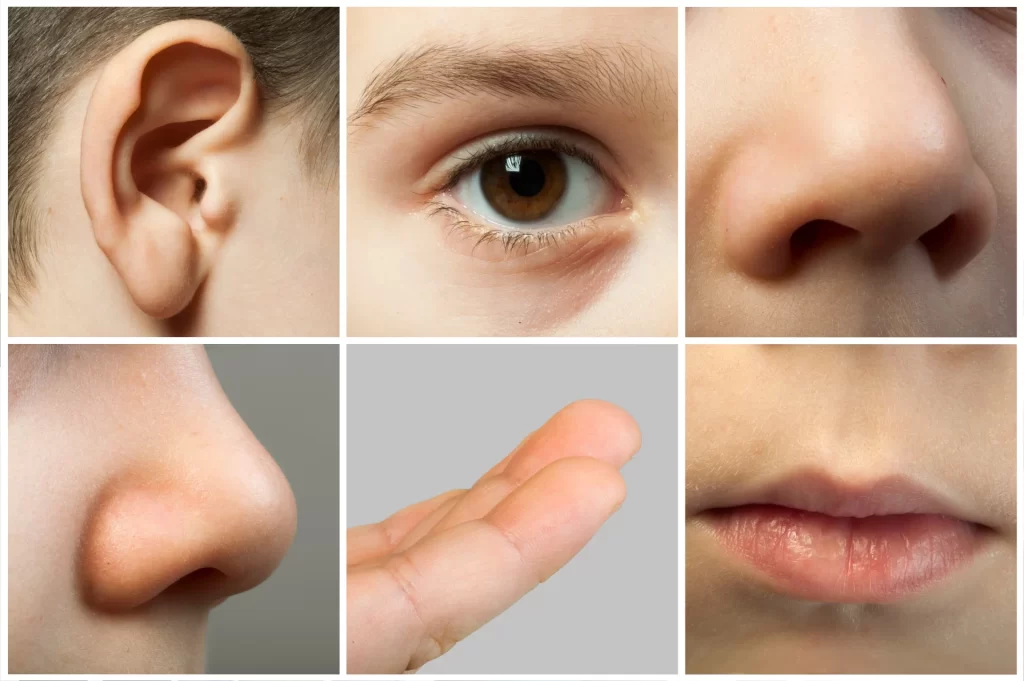
What am I for? – Body Parts and Senses
What am I for? – Body Parts and Senses
Outcome: I can explain the function of my body parts.

Stick Man – The Seasons
Stick Man – The Seasons
Outcome: I can re-enact the story of Stick Man and show the seasons through my actions.
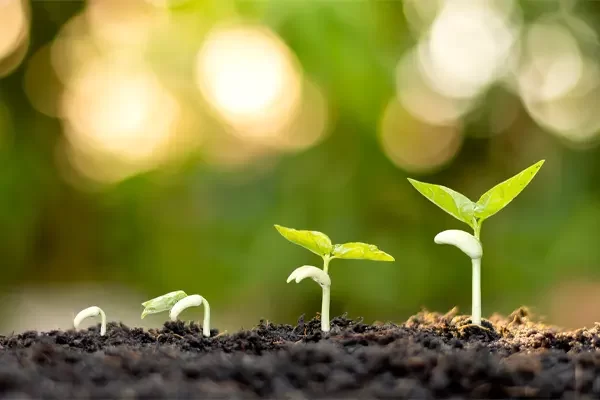
The Story of a Seed – Plant Lifecycle
The Story of a Seed – Plant Lifecycle
Outcome: I can explain how plants grow and that they need water and sunlight and air.
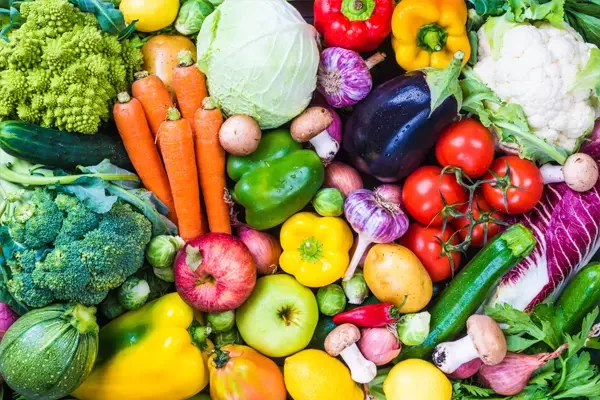
Sophie’s Squash – Instructions for looking after a baby
Sophie’s Squash – Instructions for looking after a baby
Outcome: I can explain what humans need to stay alive.
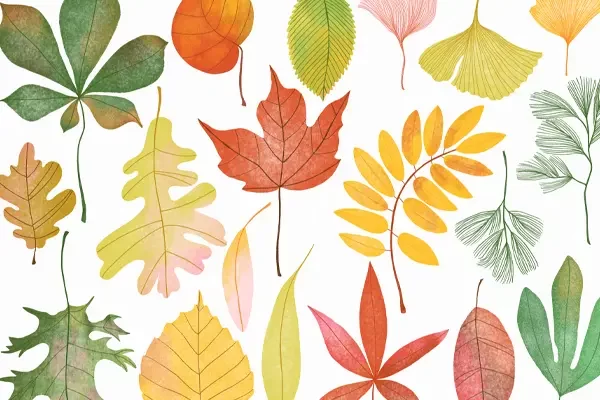
Explorers – Describing the Features of Plants
Explorers – Describing the Features of Plants
Outcome: I can describe the features of a plant and its leaves.
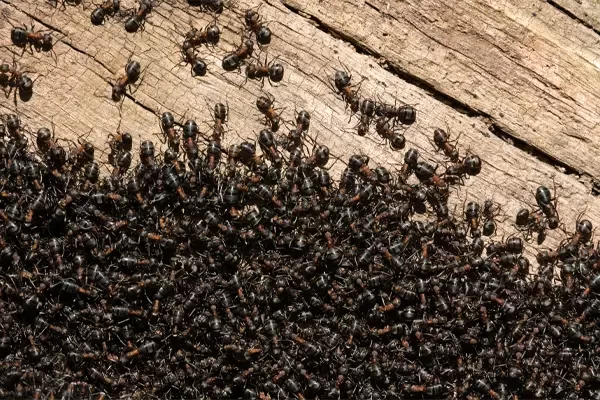
Jasper the Spider – Features of a Spider
Jasper the Spider – Features of a Spider
Outcome: I can describe the features of a spider as compared to an insect.
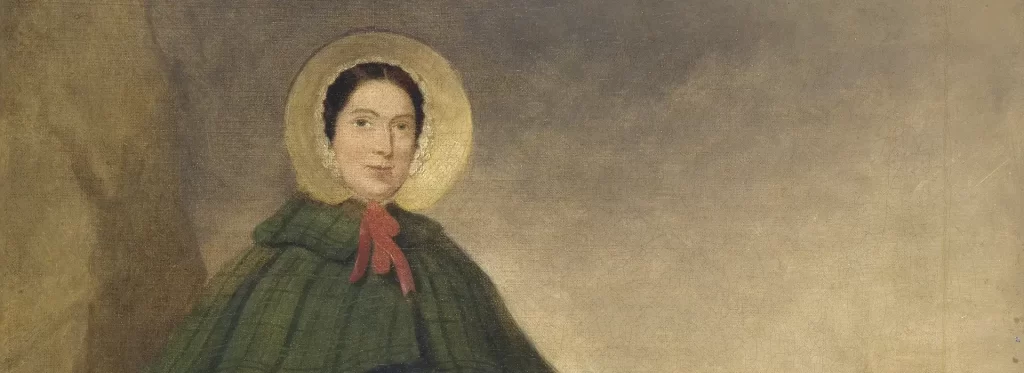
Mary Anning – Comparing Common Animals
Mary Anning – Comparing Common Animals
Outcome: I can describe and compare the structure of a variety of common animals.
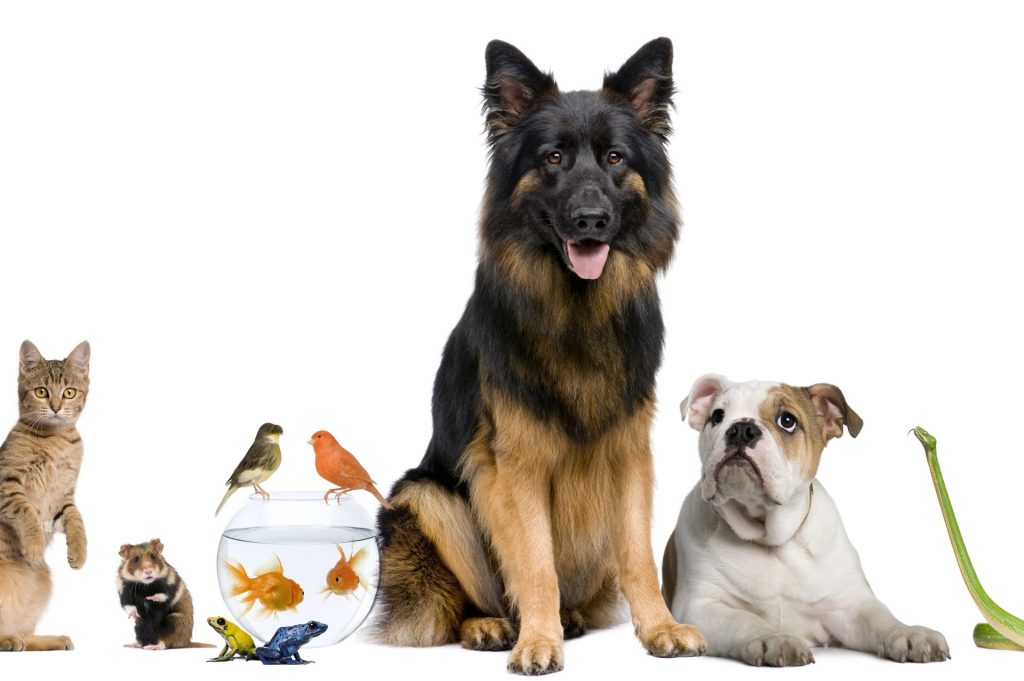
Are you my mother? – Body Parts
Are you my mother? – Body Parts
Outcome: I can explain how two animals differ in terms of body parts.
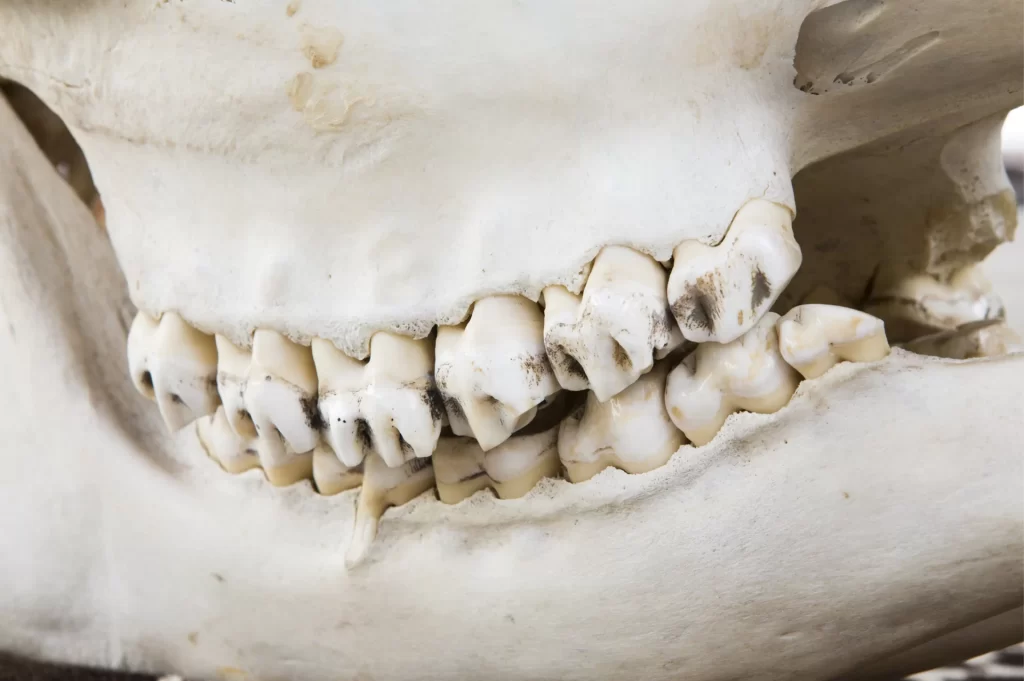
Dinosaur Park – Carnivore, herbivore and food chains
Dinosaur Park – Carnivore, herbivore and food chains
Outcome: I know carnivores and herbivores have different teeth and that plants and animals can be organised into a food chain.
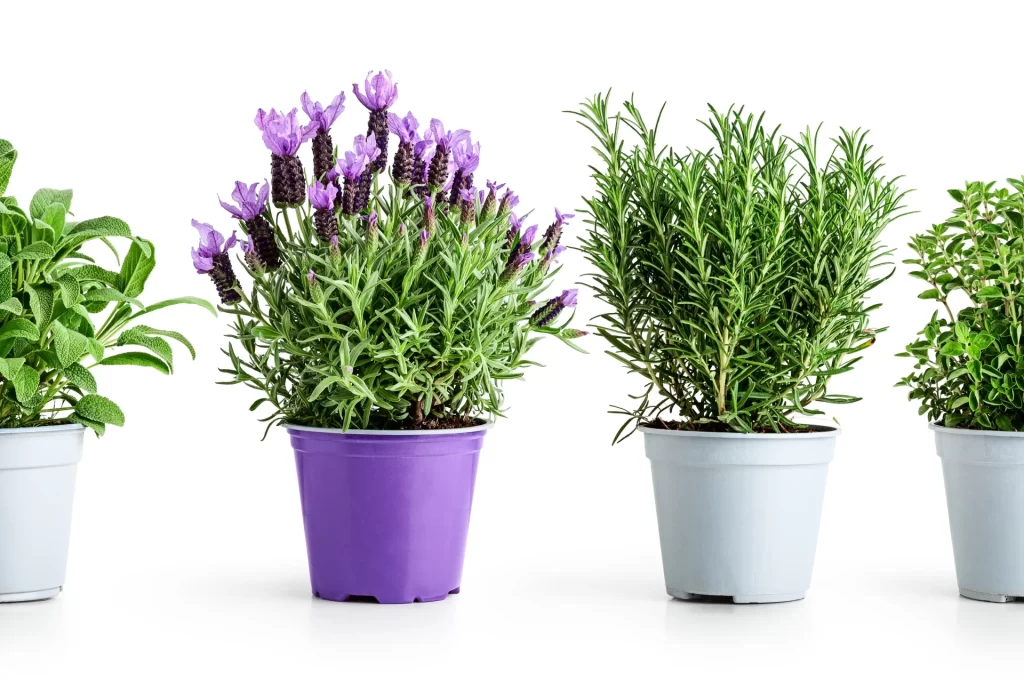
Why Won’t the Potato Talk to me? – Dead, Alive or Non-Living
Why Won’t the Potato Talk to me? – Dead, Alive or Non-Living
Outcome: I know that some objects have never been alive, some are living, others were once alive but aren’t anymore.
Ages 7-9
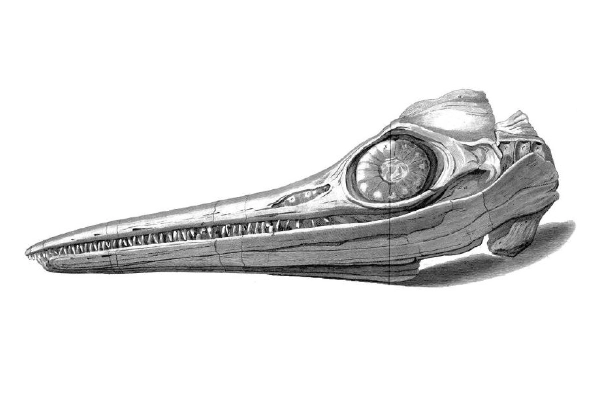
Interview with Mary Anning – Sedimentary Rocks & Fossils
Interview with Mary Anning – Sedimentary Rocks & Fossils
Outcome: I can model and talk about finding fossils at Lyme Regis, in role as Mary Anning.
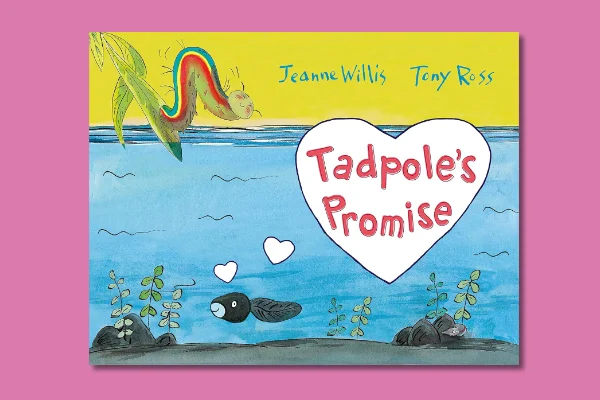
Tadpole’s Promise – Lifecycles
Tadpole’s Promise – Lifecycles
Outcome: Children will be able to explain the stages of the lifecycle of a frog and of a butterfly.
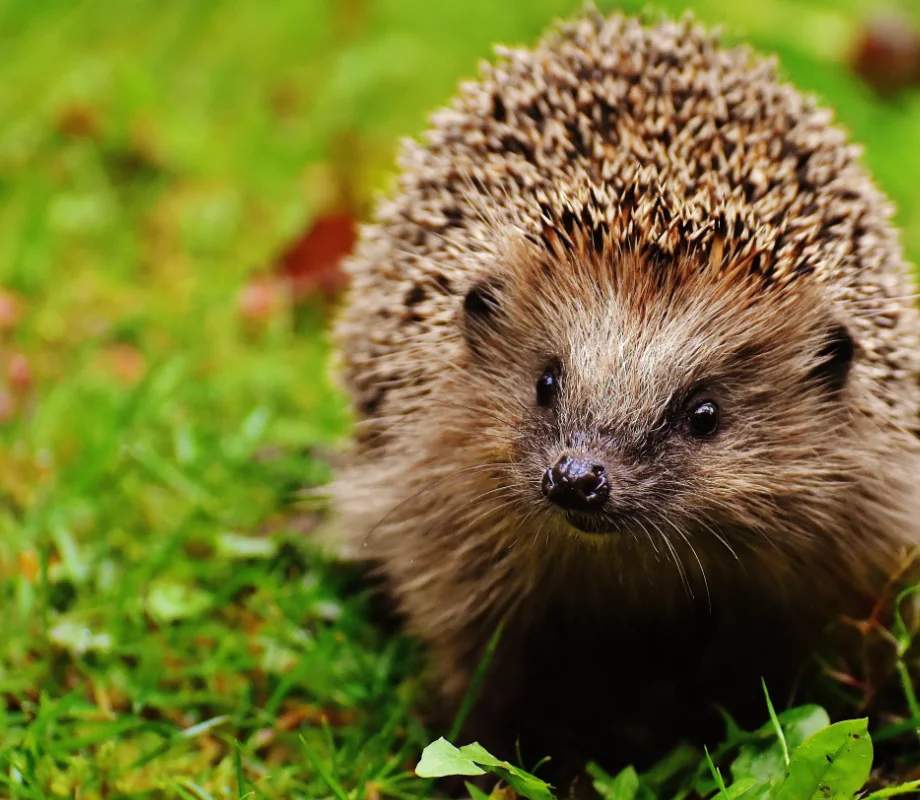
Nature Trail – Exploring a Garden Habitat
Nature Trail – Exploring a Garden Habitat
Outcome: To explain how human actions and animal behaviors create an interdependent ecosystem within a habitat.
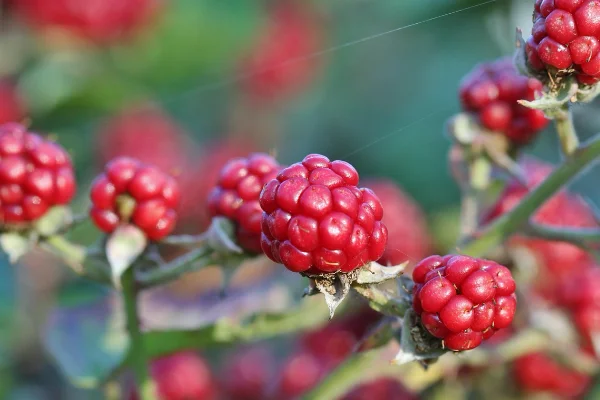
Sailing, Sticking, Shooting, Soaring, Swallowed Seeds – Seed Dispersal
Sailing, Sticking, Shooting, Soaring, Swallowed Seeds – Seed Dispersal
Outcome: To be able to identify and explain the different ways seeds travel away from their parent plant.
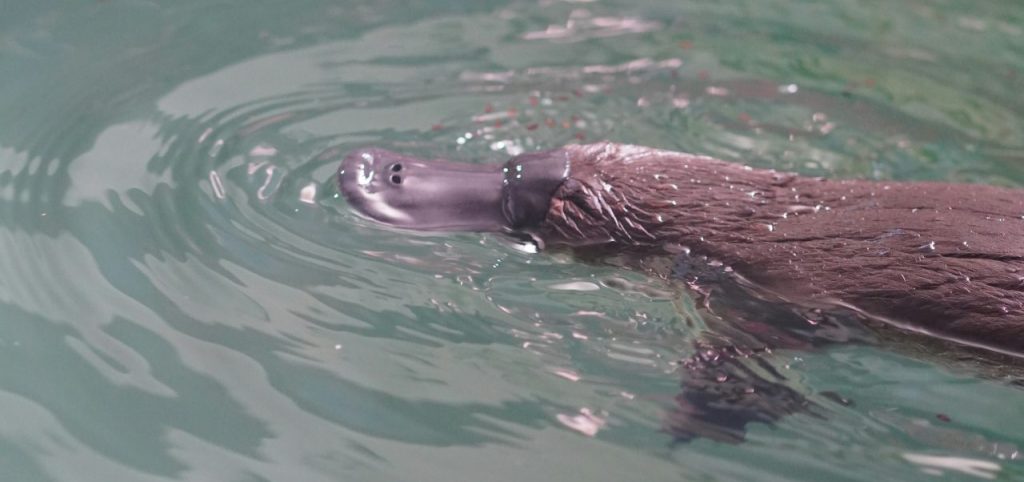
A Duck Billed Platy-what? – Classification
A Duck Billed Platy-what? – Classification
Outcome: To know that living things are put into groups based on their characteristics. When an animal doesn’t fit exactly into that group, use knowledge of classification to suggest a sensible choice of group in which to place that animal.
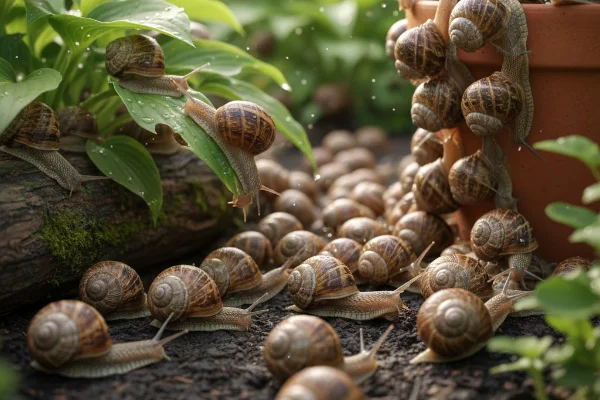
Best in Show – Classification
Best in Show – Classification
Outcome: To be able to recognise that living things can be grouped in a variety of ways.
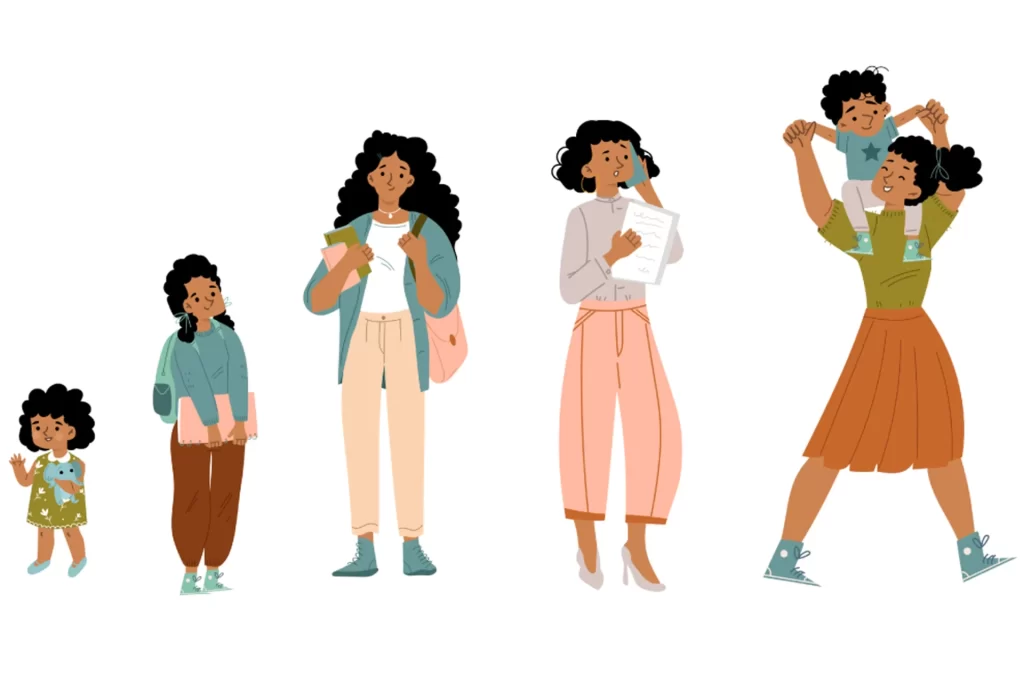
Human Exhibition – Human Lifecycle
Human Exhibition – Human Lifecycle
Outcome: To be able to describe the changes as humans develop to old age.
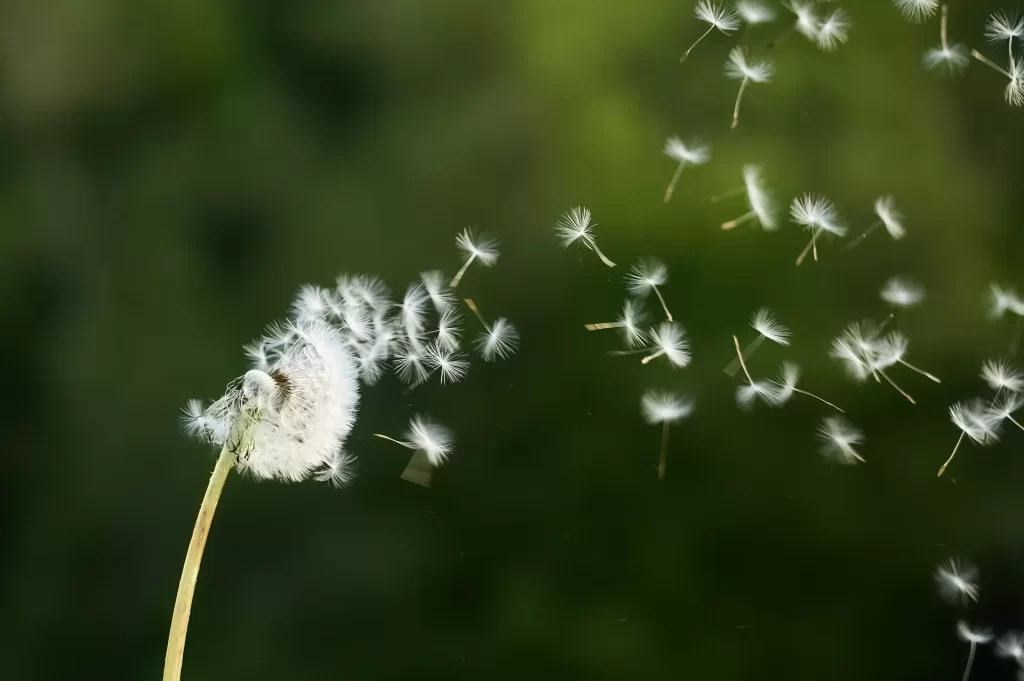
Pollination Day – Pollination, Germination, Seed Dispersal
Pollination Day – Pollination, Germination, Seed Dispersal
Outcome: To review the topic of flowering plant lifecycles , and use relevant vocabulary, in the context of a play script.
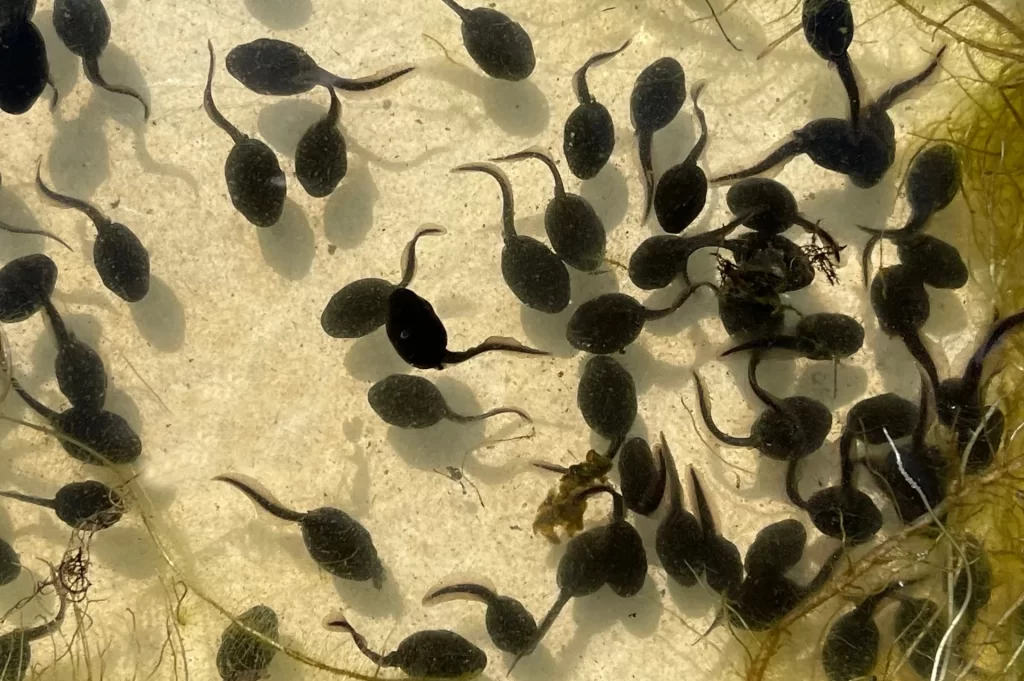
This is Your Life – Lifecycles
This is Your Life – Lifecycles
Outcome: To be able to describe the differences in the life cycles of a human, an amphibian, an insect and a bird.
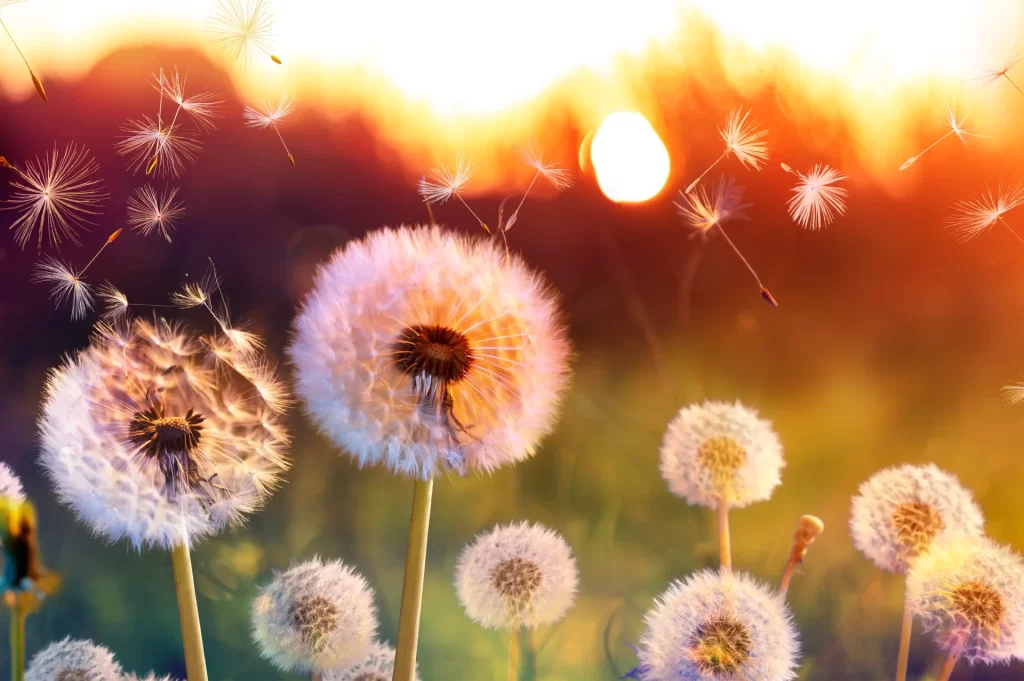
Force of Nature! – Seed Dispersal and Forces
Force of Nature! – Seed Dispersal and Forces
Outcome: I can identify the forces at play in the way seeds disperse.
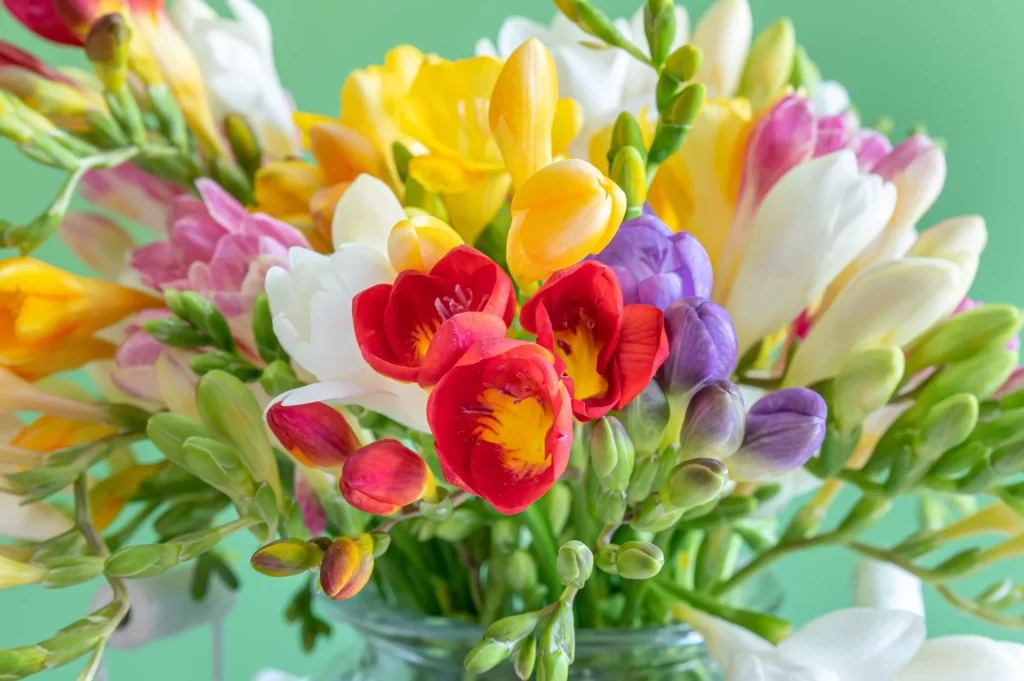
The Forgetful Bee – Pollination
The Forgetful Bee – Pollination
Outcome: To understand the process of pollination and the part flowers play in the lifecycle of a flowering plant.
There Goes my Lunch! – Digestive System
There Goes my Lunch! – Digestive System
Outcome: I can describe the simple functions of the basic party of the digestive system in humans.
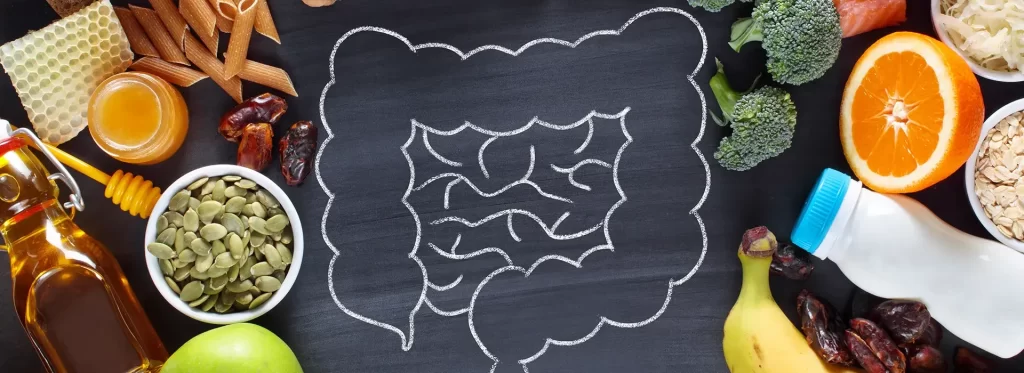
Digest This! – Digestion
Digest This! – Digestion
Outcome: I can describe the simple functions of the basic parts of the digestive system in humans.
Ages 10-12
Tadpole’s Promise – Lifecycles
Tadpole’s Promise – Lifecycles
Outcome: Children will be able to explain the stages of the lifecycle of a frog and of a butterfly.
Lifestyle Makeover – Exercise and Diet
Lifestyle Makeover – Exercise and Diet
Outcome: To be able to recognise the impact of diet, exercise and lifestyle on the way bodies function.
Human Exhibition – Human Lifecycle
Human Exhibition – Human Lifecycle
Outcome: To be able to describe the changes as humans develop to old age.
Drink Me? – Effect of Drugs on Health
Drink Me? – Effect of Drugs on Health
Outcome: I understand that putting something unknown into our bodies is a very risky thing to do.
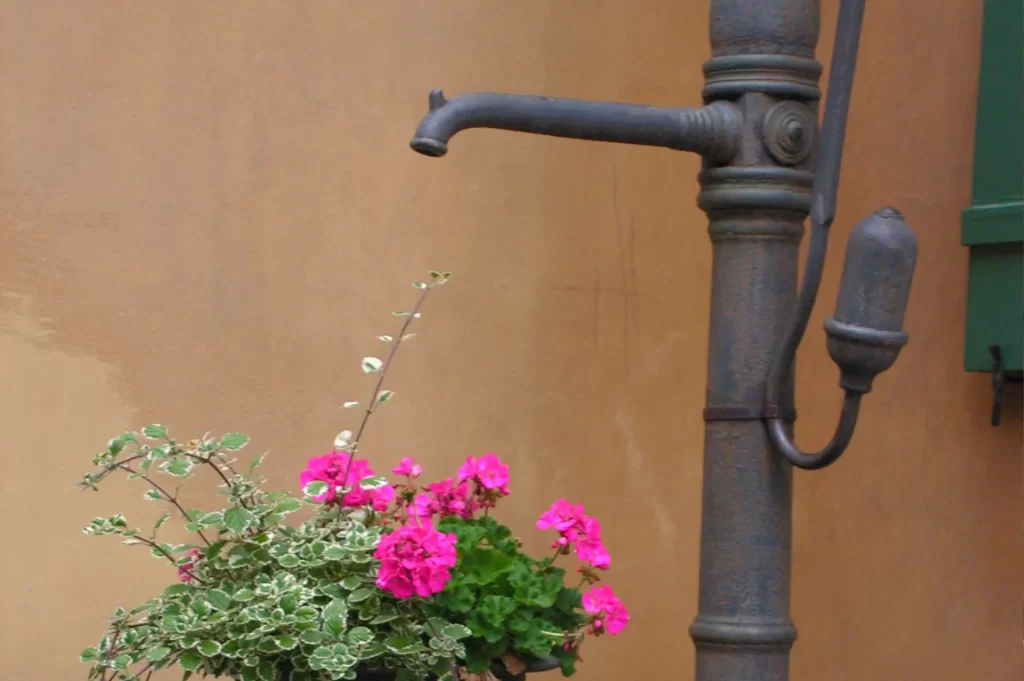
The Broad Street Pump – Microbes
The Broad Street Pump – Microbes
Outcome: I can explain how John Snow’s evidence about the Broad Street Pump enabled him to work out that there were microbes in the water.
Pollination Day – Pollination, Germination, Seed Dispersal
Pollination Day – Pollination, Germination, Seed Dispersal
Outcome: To review the topic of flowering plant lifecycles , and use relevant vocabulary, in the context of a play script.
This is Your Life – Lifecycles
This is Your Life – Lifecycles
Outcome: To be able to describe the differences in the life cycles of a human, an amphibian, an insect and a bird.
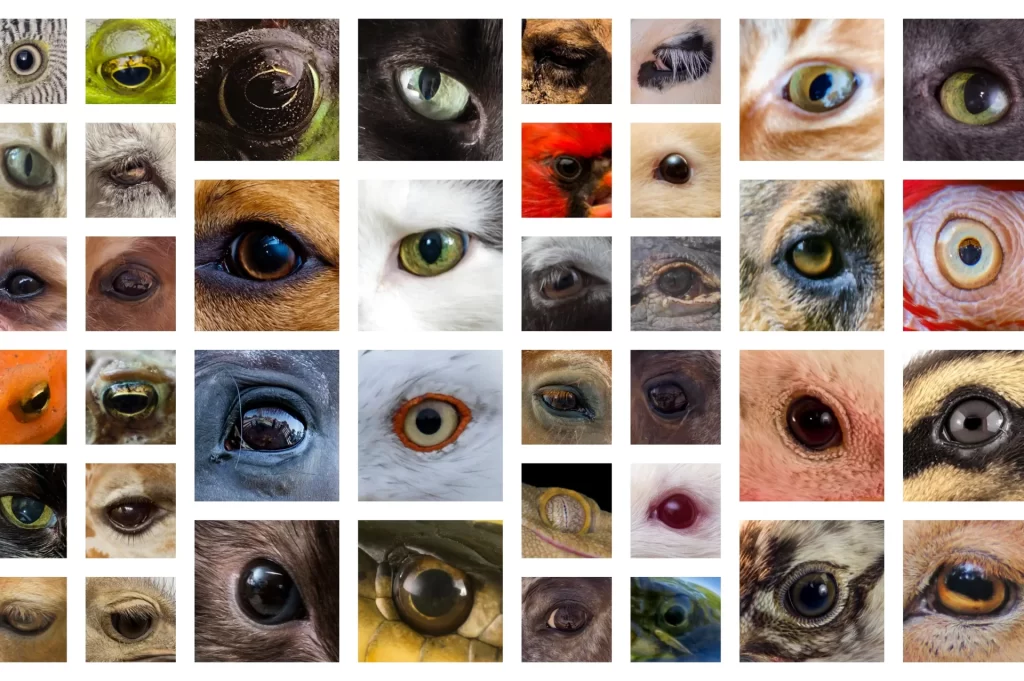
Molliebird misconceptions – Inheritance and Evolution
Molliebird misconceptions – Inheritance and Evolution
Outcome: I can explain why changing ourselves doesn’t change what our children look like.
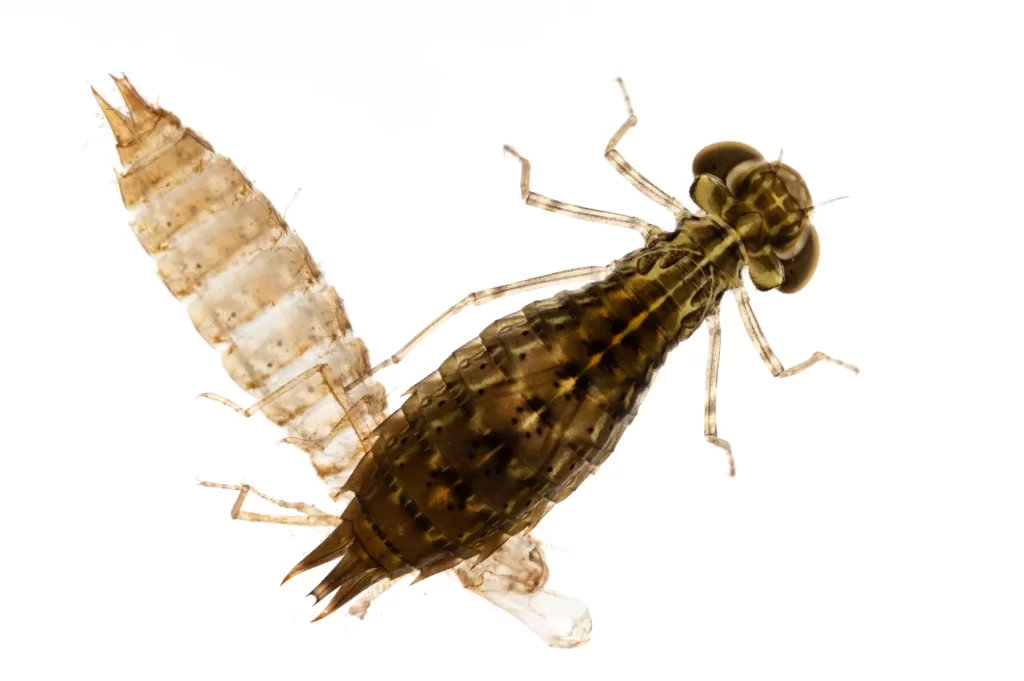
Insect Documentary – Insect Lifecycles
Insect Documentary – Insect Lifecycles
Outcome: I can explain (narrate) the sequence of insect life cycles.
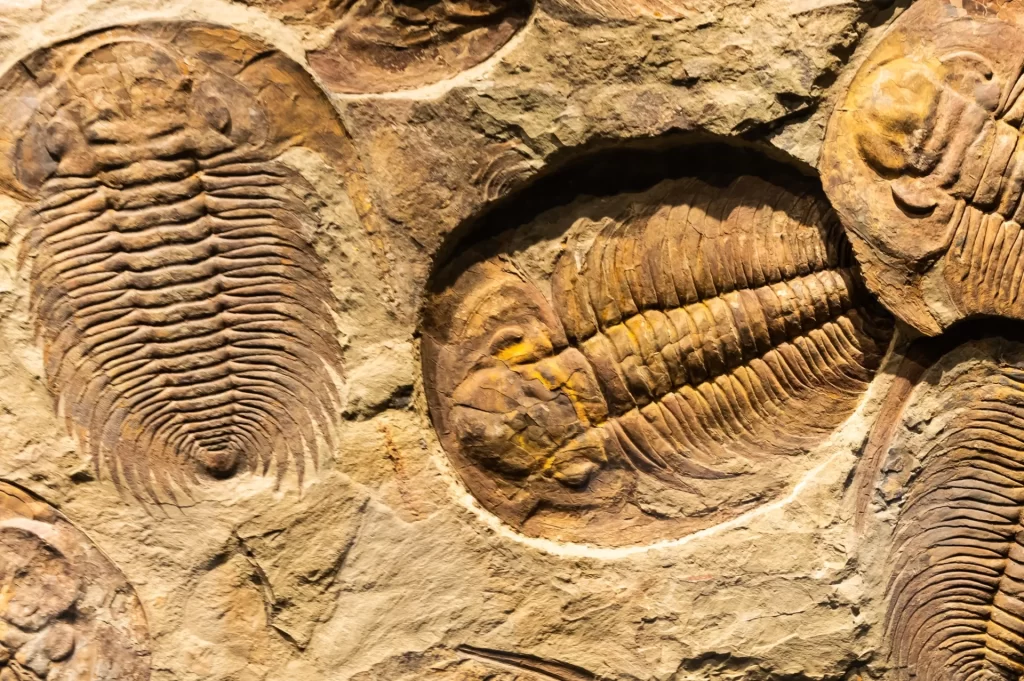
Meet Eohippus – Evolution and Inheritance
Meet Eohippus – Evolution and Inheritance
Outcome: I can identify how an animal is adapted to suit their environment and I know that this may lead to evolution over time.
William Harvey Explains – Circulation
William Harvey Explains – Circulation
Outcome: I can explain that the heart is a pump which pumps to the lungs and then body: the blood returning to the heart to be pumped through the lungs again.
